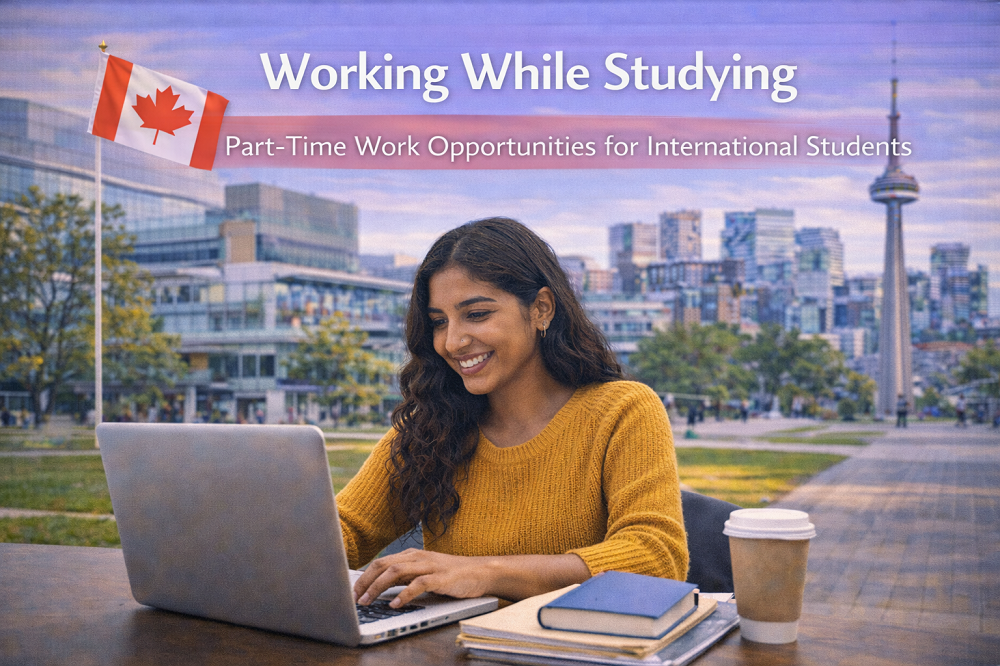
International students studying in Canada may have opportunities to work while completing their academic programs. Working during studies allows students to gain professional experience, develop practical skills, and help manage living expenses.
At LB Pathway, in collaboration with LandBird Law Firm, we help international students understand Canadian work regulations and maintain compliance with study permit conditions.
Can International Students Work in Canada?
Many international students in Canada are allowed to work during their studies if their study permit includes authorization for employment. Students may work either on campus or off campus depending on their eligibility and program requirements.
However, employment rules must be followed carefully because the primary purpose of a study permit is education rather than employment.
Off-Campus Work Rules
International students enrolled full-time at a Designated Learning Institution (DLI) may work off campus without a separate work permit if they meet eligibility requirements.
- Students can work up to 24 hours per week during academic sessions
- They may work for more than one employer
- Work hours from multiple jobs must not exceed the weekly limit
Canadian immigration rules allow eligible students to work up to 24 hours per week during study periods, while maintaining full-time enrollment in their academic program.
Working During Scheduled Breaks
During scheduled breaks such as summer holidays, winter holidays, or reading weeks, international students may work full-time without an hourly limit if they meet eligibility requirements.
These breaks allow students to earn additional income and gain more work experience while maintaining their academic commitments.
On-Campus Employment
International students may also work on campus without a separate work permit if their study permit allows it.
On-campus work typically includes jobs located within the educational institution or related facilities, such as:
- University libraries
- Campus cafeterias
- Research assistant positions
- Administrative roles within the institution
Students can begin working only after their academic program officially starts.
Eligibility Requirements
To work while studying in Canada, international students must meet several conditions:
- Hold a valid study permit
- Be enrolled full-time at a Designated Learning Institution
- Be enrolled in a program lasting at least six months
- Maintain satisfactory academic progress
Students who take an authorized leave or stop studying temporarily are not allowed to work during that period.
Co-op Work Placements and Internships
Some academic programs in Canada include mandatory work placements or internships known as co-op programs.
Students participating in these programs may need a co-op work permit in addition to their study permit if the work placement is a required part of their academic program.
Benefits of Working While Studying
- Earn income to support living expenses
- Gain Canadian work experience
- Build professional networks
- Develop workplace skills
- Improve employment prospects after graduation
Work experience gained during studies may also help students qualify for immigration pathways such as the Post-Graduation Work Permit or permanent residence programs.
How LB Pathway & LandBird Law Firm Can Help
Understanding employment regulations is essential for international students studying in Canada. Our team provides guidance to ensure students remain compliant with immigration requirements.
- Study permit guidance
- Student work eligibility consultation
- Immigration compliance support
- Post-graduation work permit planning
- Legal support through LandBird Law Firm
Build Your Career While Studying
Working while studying in Canada allows international students to gain valuable professional experience while completing their education.
Contact LB Pathway today to learn more about studying and working in Canada and explore opportunities for your future career.